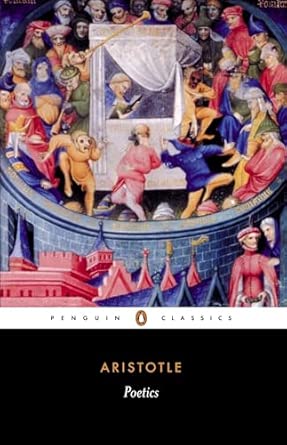
Synopsis
One of the most powerful, perceptive and influential works of criticism in western literary history in his near-contemporary account of classical greek tragedy, aristotle examines the dramatic elements of plot, character, language and spectacle that combine to produce pity and fear in the audience, and asks why we derive pleasure from this apparently painful process. Taking examples from the plays of aeschylus, sophocles and euripides, the poetics introduced into literary criticism such central concepts as mimesis ('imitation'), hamartia ('error') and katharsis ('purification').
Poetics Quiz
Free 15-question quiz — how well do you know it?
Readers of this book also read
 Oedipus RexSophocles
 ElectraSophocles
 MedeaEuripides
 Laughter: An Essay on the Meaning of the ComicHenri Bergson
 The Poems of CatullusCatullus
 The Atomists Leucippus and Democritus: FragmentsLeucippus
 The Illustrated Encyclopedia of Ancient GreeceNigel Rodgers
 The Art of Poetry of HoraceHoratius
 PhaedraSeneca
 AndromacheEuripides
 Prometheus BoundAeschylus
 Oedipus at ColonusSophocles
Track it on perLibre
Keep the books you read and the movies and shows you watch in one place. Free.