Synopsis
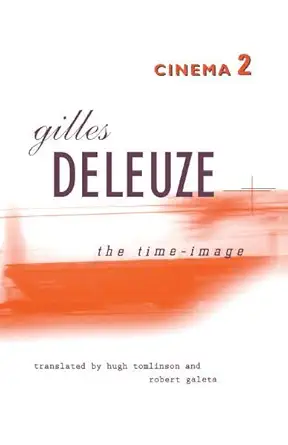
Cinema 2: the time-image brings to completion gilles deleuze’s work on the theoretical implications of the cinematographic image. In cinema 1: the movement-image, deleuze proposed a new way to understand narrative cinema, based on henri bergson’s notion of the movement-image and c. S. Peirce’s classification of images and signs. In cinema 2, he explains why, since world war ii, time has come to dominate film: the fragment or solitary image, in supplanting narrative cinema’s rational development of events, illustrates this new significance of time.
The Time-Image Quiz
Free 15-question quiz — how well do you know it?
Readers of this book also read
 Cinema 1: The Movement-ImageGilles Deleuze
 Sweet Violence: The Idea of the tragicTerry Eagleton
 The Invention of Art: A Cultural HistoryLarry Shiner
 How to Read a PoemTerry Eagleton
 On PhotographySusan Sontag
 The Consumer Society: Myths and StructuresJean Baudrillard
 Archaeology of KnowledgeMichel Foucault
 Zen and the Art of Motorcycle Maintenance: An Inquiry into ValuesRobert Pirsig
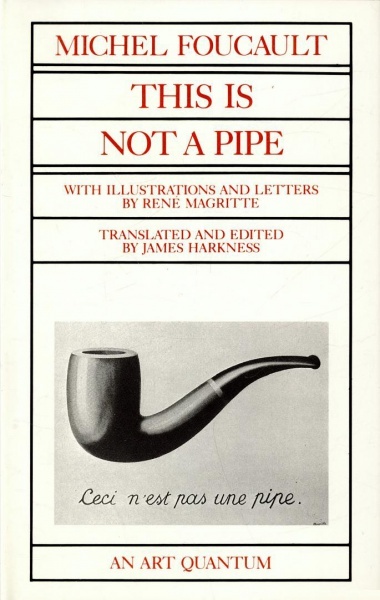 This Is Not a PipeMichel Foucault
 SimulationsJean Baudrillard
 Paris SpleenCharles Baudelaire
 Y'olBirhan Keskin
Track it on perLibre
Keep the books you read and the movies and shows you watch in one place. Free.