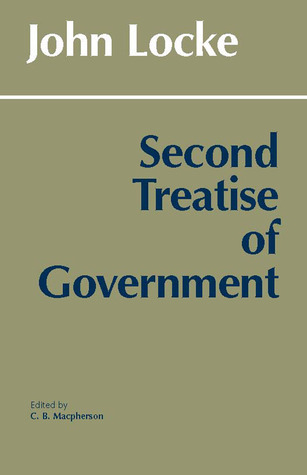
Synopsis
The central principles of what today is broadly known as political liberalism were made current in large part by Locke's Second Treatise of Government (1690). The principles of individual liberty, the rule of law, government by consent of the people, and the right to private property are taken for granted as fundamental to the human condition now. Most liberal theorists writing today look back to Locke as the source of their ideas. Some maintain that religious fundamentalism, "post-modernism," and socialism are today the only remaining ideological threats to liberalism.
Second Treatise of Government Quiz
Free 15-question quiz — how well do you know it?
Readers of this book also read
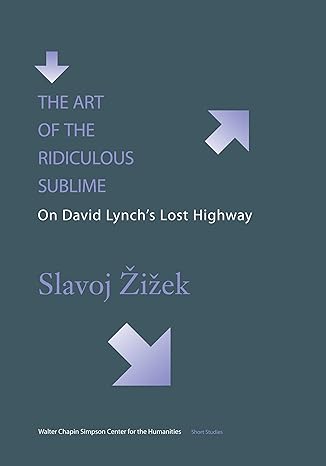 The Art of the Ridiculous Sublime: On David Lynch's Lost HighwaySlavoj Zizek
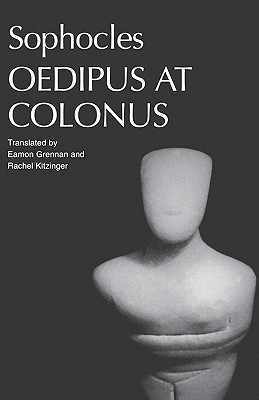 Oedipus at ColonusSophocles
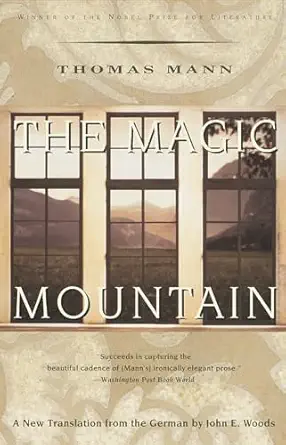 The Magic MountainThomas Mann
 ElectraSophocles
 Death In VeniceThomas Mann
 Confessions of a MaskYukio Mishima
 Three Essays on the Theory of SexualitySigmund Freud
 A Hero of Our TimeMikhail Lermontov
 Oedipus RexSophocles
 PoeticsAristotle
 The PrinceNiccolò Machiavelli
 Prometheus BoundAeschylus
Track it on perLibre
Keep the books you read and the movies and shows you watch in one place. Free.